
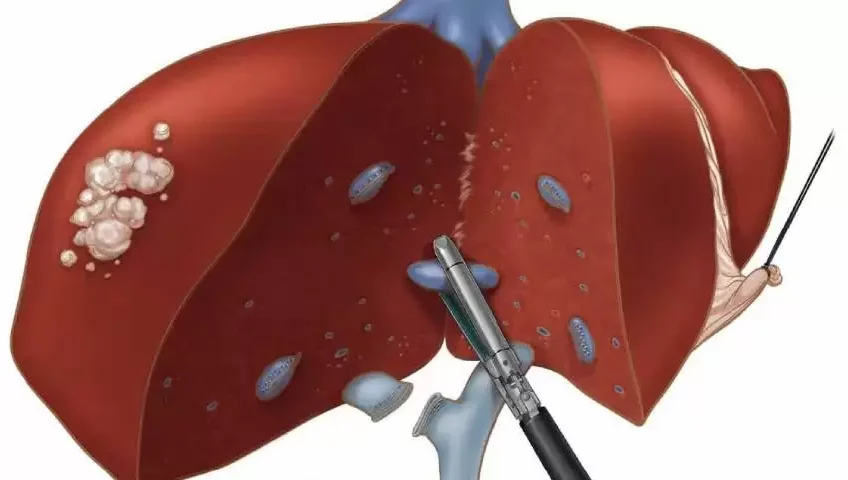
Partial hepatectomy is a surgical procedure to remove a portion of the liver affected by tumors (such as hepatocellular carcinoma or colorectal metastasis), cysts, or damage, while preserving healthy tissue. Due to the liver’s remarkable ability to regenerate, the remaining tissue can often grow back to compensate for the lost portion. The surgery is commonly performed via laparoscopic or open techniques, with a 5-year survival rate ranging from 26% to 50% for cancer patients.
Key Aspects of Partial Hepatectomy:
- Purpose: Primarily used as a potentially curative treatment for liver cancer and to remove other, non-cancerous tumors or diseased liver segments.
- Procedure: A surgeon removes a specific lobe or segment of the liver. The procedure may last two to four hours, often using minimally invasive laparoscopic techniques.
- Regeneration: The remaining healthy liver tissue will regenerate, often restoring its original size to ensure proper function.
- Eligibility: Suitable for patients with good liver function, often including those with cirrhosis if the tumor is small and well-localized.
- Recovery & Risks: Patients typically stay in the hospital for 5 to 7 days, with common risks including bleeding or infection.
- Outcomes: While it offers high cure potential, there is a risk of tumor recurrence, which is the main cause of mortality.