
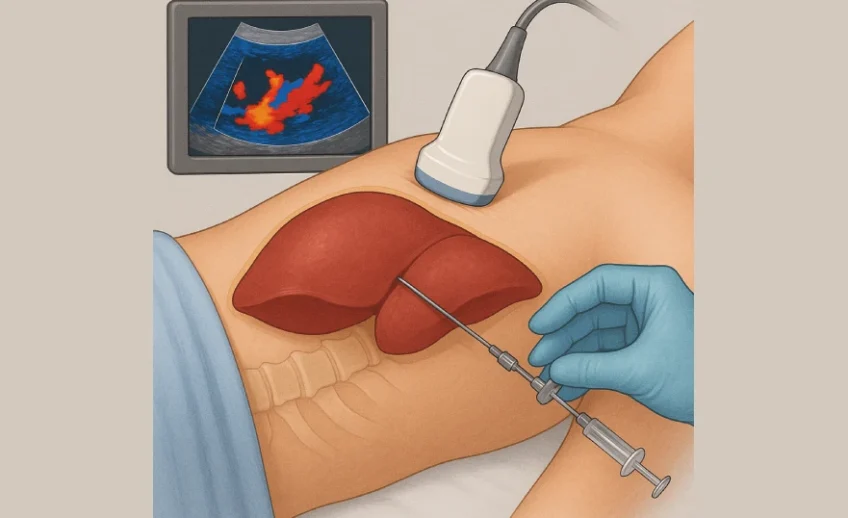
Radiofrequency Ablation (RFA) is a minimally invasive, non-surgical procedure that uses heat from radio waves to destroy dysfunctional tissue, such as pain-transmitting nerves or tumors. It is primarily used for chronic pain management (neck, back, joints) and to treat tumors or varicose veins. The outpatient procedure typically provides long-lasting relief (6+ months).
Key Aspects of Radiofrequency Ablation (RFA):
- How it Works: A specialized needle-electrode is guided to the target area using imaging (like X-ray or CT). Radiofrequency current heats a small volume of tissue, causing it to die. The body then naturally removes the dead tissue (e.g., in tumors) or the nerve stops sending pain signals.
- Common Applications:
- Pain Management: Chronic neck and lower back pain (facet joints), sacroiliac joint pain, and nerve pain.
- Tumor Treatment: Benign/malignant tumors in the liver, lung, kidney, or thyroid.
- Vascular: Chronic venous insufficiency in the legs.
- Procedure Details:
- Preparation: Performed under local anesthesia, sometimes with sedation.
- Duration: Generally less than one hour.
- Effectiveness: About 80% of patients report a 50% or more reduction in pain one year later.
- Recovery and Risks:
- Recovery: Minimal; patients should avoid strenuous activity for 24+ hours.
- Risks: Temporary soreness, bruising, infection, or nerve inflammation.
- Types of RFA:
- Conventional: Continuous heat.
- Pulsed: Lower temperatures, used for nerve pain.
- Water-cooled: Creates larger lesions.