
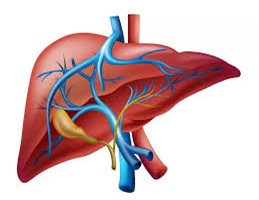
Liver resection (hepatectomy) is a surgical procedure to remove part of the liver to treat tumors (cancer or benign) or diseased tissue. Because the liver can regenerate, the remaining portion usually grows back to full size within weeks or months. It can be performed via open surgery or, more commonly now, minimally invasive techniques like laparoscopy.
Key Aspects of Liver Resection Surgery
- Indications: Primarily used for primary liver cancer (hepatocellular carcinoma), metastatic tumors (spread from other cancers like colorectal), large symptomatic benign tumors (adenomas, hemangiomas), or chronic diseases.
- Procedure Types:
- Anatomical Resection: Removing a specific segment or lobe of the liver.
- Non-anatomical/Wedge Resection: Removing a smaller, specific tumor.
- Lobectomy/Hemi-hepatectomy: Removal of an entire right or left lobe.
- Techniques:
- Open Resection: Large abdominal incision, typically used for complex cases.
- Laparoscopic/Robotic Resection: Minimally invasive, involving small incisions, resulting in less pain and faster recovery.
- Methods of Tissue Division: Use of ultrasonic dissectors or radiofrequency-assisted tools to manage bleeding.
- Recovery and Prognosis:
- Hospital Stay: Generally 5–7 days.
- Total Recovery: About 5–6 weeks, with full liver regeneration taking roughly 6–8 weeks.
- Complications: Risks include infection, significant bleeding, bile leakage, or, rarely, liver failure.